

Is Air Cadets Right For Our Family?
A guide for prospective parents and future cadets
What is Air Cadets?
The Air Cadet Program is a national, funded youth program for Canadians ages 12 to 18. Young people can join Sea, Army or Air Cadets and take part in activities they would not usually experience at school or at home, while building skills for adulthood.
Air Cadets focus on aviation and aerospace. Cadets learn about aviation technologies, aircrew survival skills and have opportunities to experience flying in gliders and powered aircraft as they progress.
Cadets are not members of the Canadian Armed Forces and are not expected to join the military later. The program introduces them to Canadian military traditions and careers among many other options, but it is a youth development program, not a recruiting program.

In Vernon, our unit is the 223 Red Lion Royal Canadian Air Cadet Squadron.
Across Canada, the aims of the Cadet Program are to:
Develop in youth the qualities of good citizenship and leadership
Promote physical fitness and healthy habits
Spark interest in the sea, land and air activities of the Canadian Armed Forces
In everyday terms, that means your child is supported to:
Gain confidence and life skills
Learn to work in a team and lead others
Stay active and learn to look after their well-being
Explore aviation, aerospace and other specialized interests
These aims are summed up in the Air Cadet motto: To learn. To serve. To advance.

What The Cadet Program is Designed to Do
Who Can Join Air Cadets
To join any element of the Cadet Program (including Air Cadets), a young person must:
Live in Canada
Be at least 12 years old and not yet 19
Have provincial or territorial health coverage (or equivalent)
Not already belong to another cadet corps or squadron
The program invites all Canadian youth who are citizens or authorized to reside in Canada and aims to be inclusive of the diversity found across the country.
No previous experience with aviation, the military or outdoor activities is required.
How Joining Works
Check eligibility requirements (above)
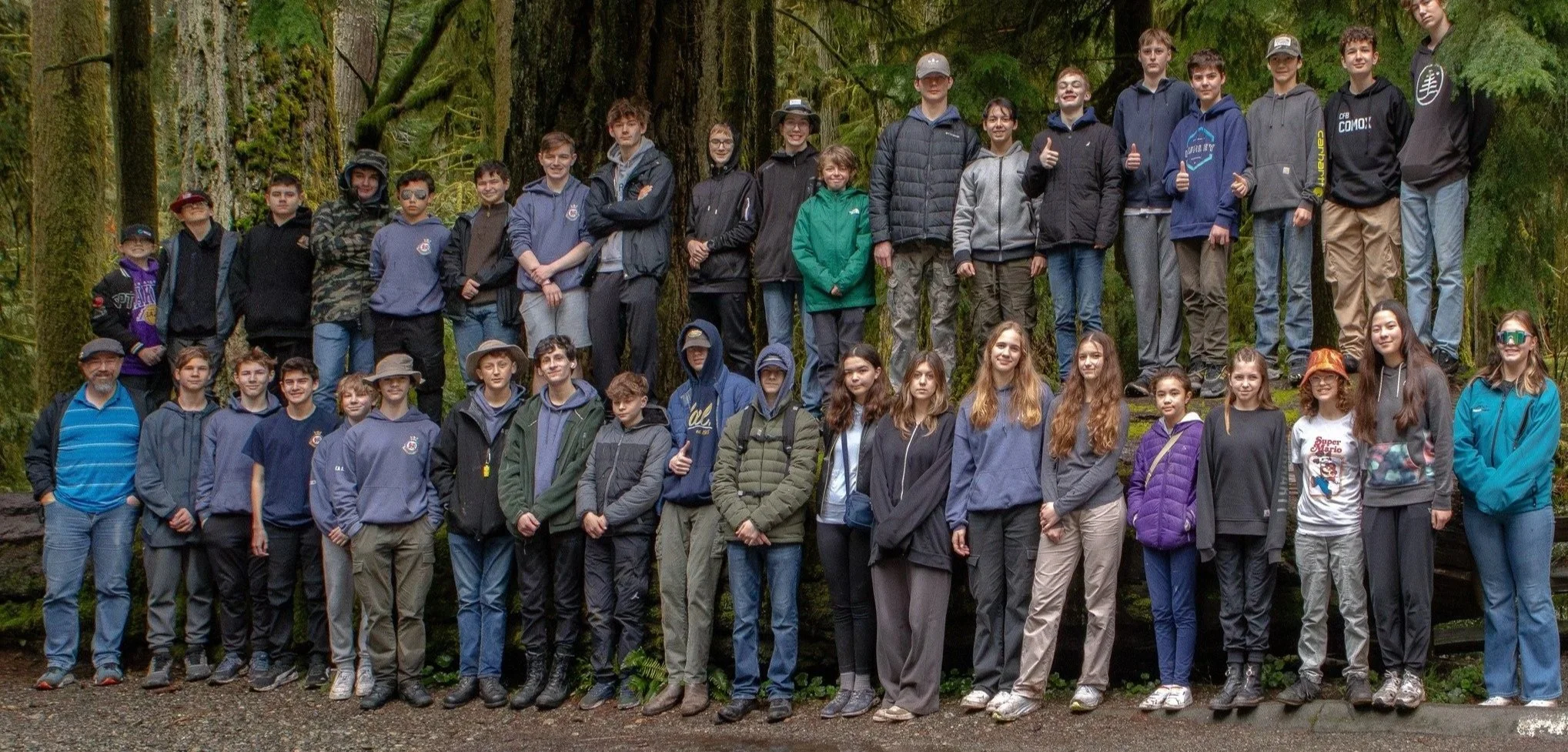
What do Air Cadets do?
Across Canada, cadet corps and squadrons follow a similar training structure. At 223 Red Lion, your cadet will experience weekly parade nights and a range of optional activities.
Weekly Training Nights
Cadets meet once a week on Thursday evenings for local training. Parade nights mix classroom lessons and hands-on activities in aviation, leadership, citizenship, fitness, and survival skills. Attendance is taken and regular participation is important for progress and promotions..
Aviation Classes & Ground School
Cadets learn how airplanes work through basic aviation lessons and ground school, which is the classroom part of learning to fly. Topics can include weather, navigation, aircraft controls, and radio procedures.
Flying Gliders & Airplanes
YES, Air Cadets get real flying opportunities. Cadets go on familiarization flights in gliders and powered aircraft, seeing their classroom lessons in action. As they progress, eligible cadets can apply for summer flying courses that may lead to Transport Canada glider or private pilot licences at no cost to families.
Rifle & Target Shooting
The cadet marksmanship program teaches safe rifle handling and target shooting using low-velocity air rifles designed for cadet training. Cadets learn safety, focus, and control, and may have the chance to participate in competitions as they progress.
Drill Team (Marching & Parade Skills)
Cadets who want extra challenge can join drill team. They practice precise marching routines, timing, and crisp salutes, working as one sharp-looking group on parade. It builds discipline, confidence, and teamwork, and teams may perform or compete at special events.
Weekend Training Activities
Throughout the year, cadets can join additional activities such as field training exercises (FTX). These weekends take cadets outdoors to practice aircrew survival skills like shelter building, navigation, fire-lighting, and radio communication, while working as a team.
Marching Band & Music
Cadets may choose to play in a military-style band, learn an instrument, perform on parade and at community events, and progress through music proficiency levels as part of the national Cadet Music Program.
Time, Cost & Uniforms
Core Program Funding
The core Cadet Program is funded through the Department of National Defence in partnership with the Air Cadet League of Canada. There is no fee to belong to the national program, and uniforms are issued on loan at no cost.
Parent Fundraising
Locally, the volunteer Squadron Sponsoring Committee (SSC - similar to a school PAC) covers costs that are not paid by National Defence. These include facility costs and insurance, office and website expenses, support for activities like band and drill team, and provincial assessments that help maintain gliders, tow planes, and insurance at the BC level.
To help with these costs, families can (optionally):
Support periodic fundraising events
Donate online
And More … Learn more abou thow you can help >
The program is barrier free. No cadet will be turned away.
Weekly Schedule & Attendance
223 Red Lion Squadron standard training schedule is as follows:
Thursday night, from 18:15 hrs to 21:15hrs unless otherwise directed.
Location:
1250 Mission Rd, Vernon, BC
(G20 building at the Vernon Military Camp)
Additional squadron activities and events may be scheduled on other evenings and weekends as complementary training.
Attendance is taken at all scheduled activities.
If a cadet is unable to attend a Thursday night or a complimentary training event they have signed up for, families are asked to call the Squadron Cell at 250-309-9490 and leave a message with the cadet’s name and reason for absence.
Summer Training Allocation
Did you know? Your cadet can even make a little bit of money during summer training programs!
Cadets who attend qualifying overnight summer training may receive a small training allocation, calculated per training day and paid directly to the cadet through national channels.